


Andrew Carnegie Fellows
The Andrew Carnegie Fellows Program provides philanthropic support for scholarship in the humanities and social sciences that addresses important and enduring issues confronting our society, with a special emphasis on political polarization.
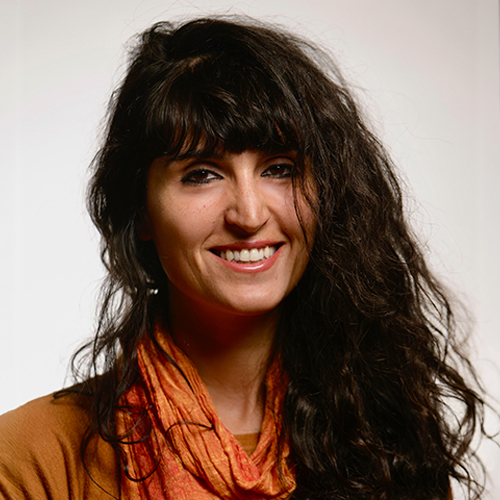
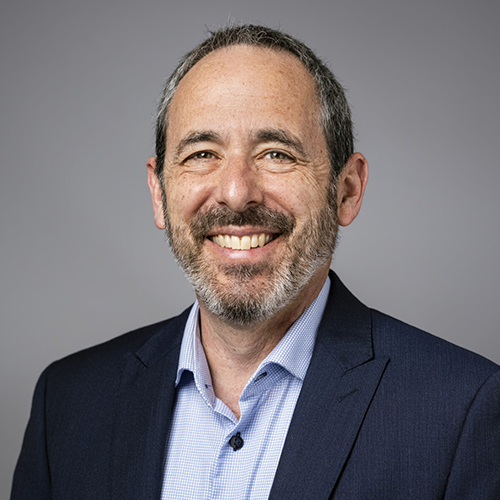
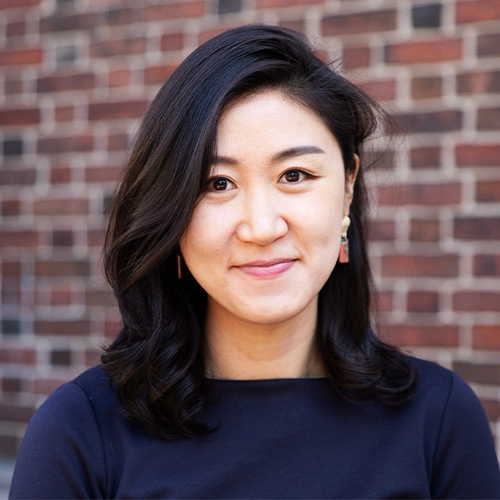
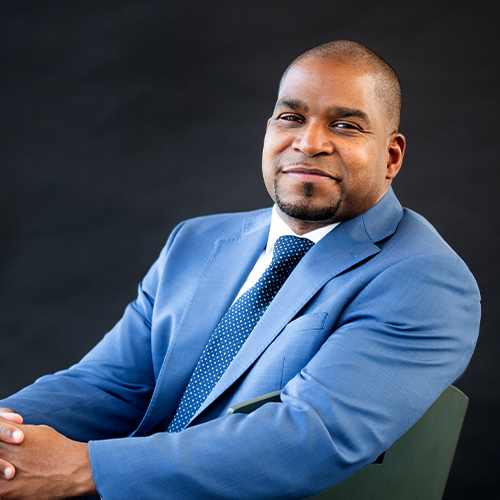
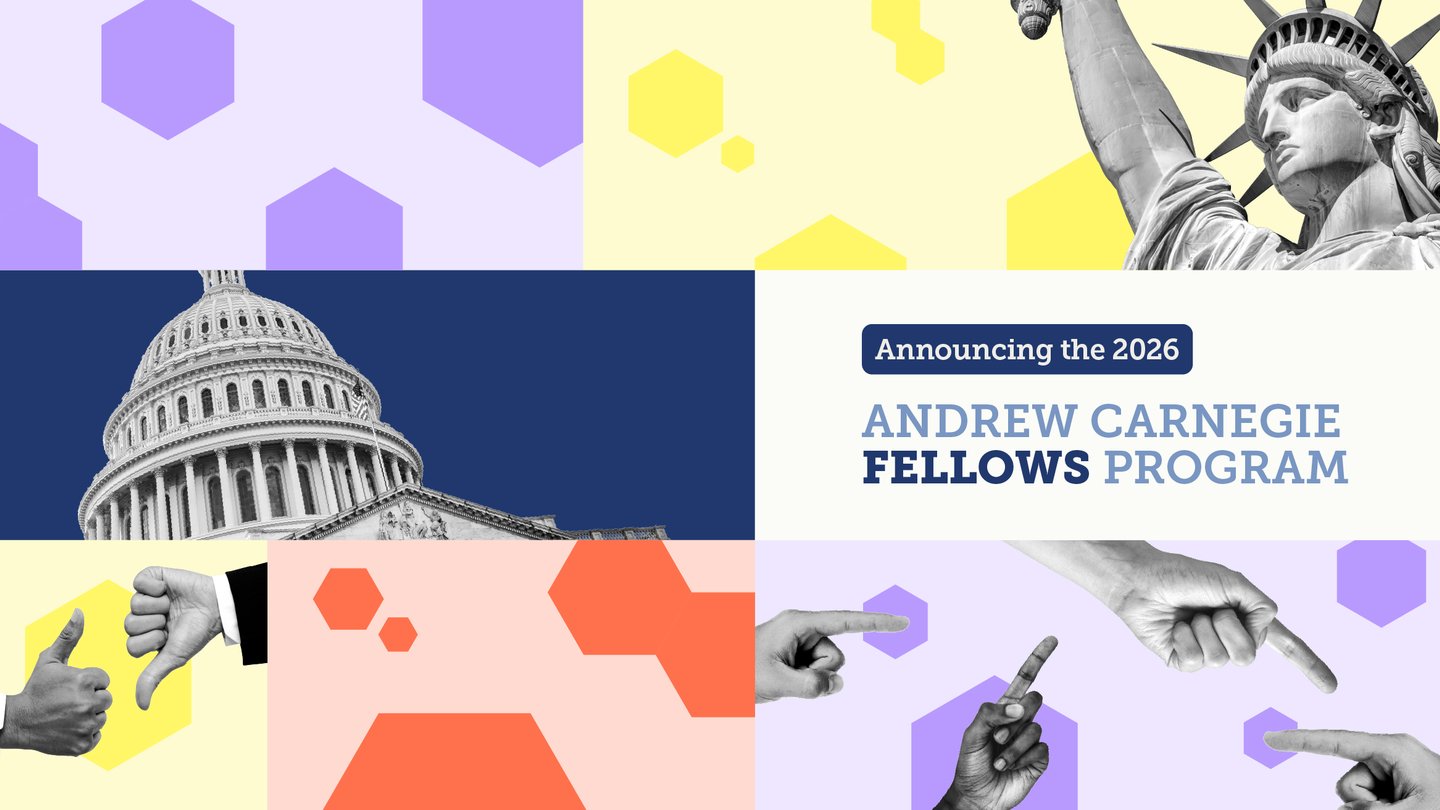
Introducing the 2026 Andrew Carnegie Fellows
The 2026 class of 24 fellows marks the third year of the Andrew Carnegie Fellows Program’s focus on building a body of research on political polarization in the United States.
“Carnegie seeks to understand how and why our society has become so polarized and what we can do to strengthen the forces of cohesion.”
Dame Louise Richardson
President, Andrew Carnegie Foundation
About the Program
The 2026 Class of Andrew Carnegie Fellows marked the third year of the program’s focus on building a body of research focused on political polarization. The Andrew Carnegie Foundation, formerly Carnegie Corporation of New York, committed up to $18 million to this effort over the three-year period, helping Americans understand how and why our society has become so polarized and what can be done to strengthen social cohesion. Political polarization is characterized by factors such as threats to free speech, the decline of civil discourse, disagreement over basic facts, and a lack of mutual understanding and collaboration. Each fellow receives a grant of up to $200,000 to support their two-year research project, enabling them to devote significant time and resources to their work.
Expanded Focus
For the next three years, beginning with the 2027 cohort, we are broadening the focus beyond domestic perspectives to explicitly ask what the U.S. can learn from the experience of polarization in other countries. We are seeking proposals that address the relationship between populism and polarization, how other democracies have resisted or reversed polarization, and the conditions that determine whether polarization dissipates or accelerates into systemic violence. Examples of these conditions include civic culture, social cohesion, access to information and a healthy information environment, economic opportunity, trust in and the effective functioning of public institutions, and the rule of law. Some of the questions that we would like to explore are:
- What has been the relationship between populism and polarization in other countries?
- How have some countries managed to avoid polarization?
- What can we learn from countries that have undergone periods of polarization, such as South Africa, Colombia, and Northern Ireland?
- Under what conditions has polarization escalated into political violence?
- Under what conditions has polarization taken root/accelerated/declined in other countries?
The criteria for selection prioritize the originality and potential impact of the proposal, as well as the capacity to communicate the findings to a broad audience. The fellows are selected by a distinguished panel of jurors, chaired by Dame Louise Richardson, president of the Andrew Carnegie Foundation, and comprising scholars and academic and intellectual leaders from some of the nation’s most prominent educational institutions, foundations, and scholarly societies.
The fellows program is a continuation of the mission of the Andrew Carnegie Foundation, established by Andrew Carnegie in 1911 as Carnegie Corporation of New York. Today the foundation works to reduce political polarization through philanthropic support for the issues that Carnegie considered most important: education, democracy, and peace.
Please see our frequently asked questions for eligibility requirements.
24 Scholars Awarded Research Fellowships to Understand and Reduce Political Polarization
The Andrew Carnegie Foundation announces nearly $5 million in grants to the 2026 Class of Andrew Carnegie Fellows

Want Greater Prosperity? Mind the Gap
Why are the richest 20 percent of countries 30 times richer than the poorest? Three researchers have an answer, and it won them a Nobel Prize
Read more



Nomination
Eligibility
The Andrew Carnegie Fellows Program is open only to citizens or legal residents of the United States who have been nominated by the head of an institution designated by the Andrew Carnegie Foundation. Candidates must have a PhD, hold a terminal degree, or be a high-level professional working outside of academia. Along with presidents, chancellors, and provosts of universities, nominators include heads of independent research institutes and learned societies, leaders of some of the nation’s preeminent think tanks, and directors of academic presses, as well as editors of leading newspapers and magazines. All nominators must include in their letter of nomination two to three sentences on the institution’s internal candidate selection process. Individuals may not apply for the fellows program via self-nomination. 2027 begins a new three-year cycle of the fellowship. If you were a candidate in 2026 or any previous year, you are eligible to apply again — only once — between 2027 and 2029.
The Andrew Carnegie Fellows Program prohibits a fellowship winner from accepting a fellowship of equal caliber or at a comparable level of funding that overlaps the same timeline as the Carnegie fellowship, especially awards that have specific time requirements. However, smaller grants and project support are acceptable on a case-by-case basis.
Criteria
Nominations are evaluated by the jury based on the following criteria:
- Originality and promise of the idea
- Quality of the proposal
- Promise to offer solutions to harmful polarization or to enhance social cohesion
- Record of the nominee
- Plans to communicate findings to a broad audience beyond the candidate’s own academic discipline
Topic
The foundation anticipates that the work of the Andrew Carnegie Fellows Program will explore the many ways political polarization in the United States and abroad manifests itself in society and suggest ways that it may be mitigated. Studies of polarization in other countries should offer lessons that can be applied to the United States, such as:
- What has been the relationship between populism and polarization in other countries?
- How have some countries managed to avoid polarization?
- What can we learn from countries that have undergone periods of polarization, such as South Africa, Colombia, and Northern Ireland?
- Under what conditions has polarization escalated into political violence?
- Under what conditions has polarization taken root/accelerated/declined in other countries?
Projects based in disciplines across the humanities and social sciences are welcomed.
Frequently Asked Questions
To be eligible, you must be a U.S. citizen or have legal U.S. residency status. You must also be nominated by one of a designated group of individuals, who include leaders of universities, think tanks, and publishers. Please write to acfellows@carnegie.org to find out if your institution is on our nomination list.
Only university presidents, chancellors, and provosts are allowed to nominate faculty at universities. Deans are not eligible. (Note: Presidents of university systems are not eligible, but rather chancellors from individual campuses.) Other nominators include the heads of university presses, learned societies, think tanks, or newspapers.
University presidents may nominate one tenured and one untenured scholar. Untenured includes both tenure-track faculty who have not yet achieved tenure, and those who are not on a tenure track. Other nominators — e.g., the head of a university press, learned society, think tank, publisher, or newspaper — may nominate one candidate.
For professional schools and other institutions that do not have tenure, a “tenured” scholar is defined as one who received their terminal degree more than 10 years before the application deadline (before November 2016), and an untenured scholar as one who received their terminal degree 10 years ago or less (after November 2016). If the scholar has both a PhD and another terminal degree, we leave it to the discretion of the university to determine which degree is more relevant.
We welcome candidates holding a terminal degree other than a PhD. We also welcome candidates with exceptional experience that qualifies them as a senior professional or intellectual.
No indirect/overhead costs will be allowed or paid to the university. Fellows shall receive the entire grant for support of the research project.
Yes. However, one nominee will need to be the lead applicant and receive and administer the fellowship. Other contributors may be brought in as partners or consultants, including from the same institution.
The fellowship must begin on the first of the month between June and September of 2027. It is not possible to defer the start of the fellowship. It must begin no later than September 1, 2027.
Recipients have the choice of a 12-month or a 24-month fellowship.
Yes. The fellow may choose to receive the funding in one of two ways:
- As an individual: if you choose to receive the fellowship as an individual, you will receive a 1099 form from the Andrew Carnegie Foundation at the end of the tax year.
- Through your institution: if you choose to have your institution receive the fellowship funds as a “payor,” your institution will assume all tax reporting responsibilities.
No, the Andrew Carnegie Foundation cannot provide tax advice. The fellow will need to consult a financial adviser. The fellow may allocate a portion of the fellowship to cover the cost of a tax consultation.
By nominating a scholar for this fellowship, a university signals its ongoing commitment to that individual, including the intention to provide in-kind support — such as full retirement and health benefits — during their research and writing leave. While cost-sharing is not mandatory and fellowship funds may be used to cover salary and benefits, it is not acceptable for a candidate to lose out on the salary and benefits they would ordinarily expect to receive due to accepting the fellowship, and we strongly encourage universities to maintain their institutional support whenever possible.
You may choose to receive the award over a one- or two-year period. During the selected period, you may opt to go on sabbatical for the entire fellowship or a portion of it. You may also choose to teach classes part-time and/or to work on the project over the summer. On the application, please specify the time you will allot to working on the project. This will allow our jurors to determine whether it is feasible for you to accomplish your goals.
Selected nominees will be notified by email shortly after the jury makes its final selections in mid-April 2027. If your nomination is unsuccessful, you will receive an email notification at this time.
Due to the large number of nominations that we receive, unfortunately we are not able to respond to requests for feedback.
Candidates who were nominated for the fellows program in any cycle up to and including 2026 are allowed to apply again one time during this next three-year cycle (through 2029). Candidates for 2027 will not be eligible to be nominated again (regardless of who nominates them) in 2028 or 2029.
Yes. However, you must have an established relationship with the institution, and that institution must also be on our nomination list. Please contact acfellows@carnegie.org for eligibility advice.
The Andrew Carnegie Fellows Program prohibits a fellowship winner from accepting a fellowship of equal caliber or at a comparable level of funding that overlaps the same timeline as the Carnegie fellowship, especially awards that have specific time requirements or are for the same project. However, smaller grants and project support are acceptable on a case-by-case basis.