
Voting Rights: A Short History
The struggle for equal voting rights dates to the earliest days of U.S. history. Now, after a period of bipartisan efforts to expand enfranchisement, Americans once again face new obstacles to voting
By Carnegie Corporation of New York
Dec 20, 2019
This article was updated in March 2025.
Challenges to voting rights in this country are hardly a 21st-century invention. Entrenched groups have long tried to keep the vote out of the hands of the less powerful. Indeed, the United States began its great democratic experiment in the late 1700s by granting the right to vote to a narrow subset of society — white male landowners. Even as barriers to voting began receding in the ensuing decades, many Southern states erected new ones, such as poll taxes and literacy tests, aimed at keeping the vote out of the hands of African American men and other targeted groups.
Over time, voting rights became a bipartisan priority as people worked at all levels to enact constitutional amendments and laws expanding access to the vote based on race and ethnicity, gender, disability, age, and other factors. The landmark Voting Rights Act of 1965 took major steps to curtail voter suppression. Thus began a new era of push-and-pull on voting rights, with the voting age reduced to 18 from 21 and the enshrinement of voting protections for language minorities and people with disabilities.
Greater voter enfranchisement was met with fresh resistance in 2013, when the U.S. Supreme Court undermined the Voting Rights Act in its ruling on Shelby County v. Holder, paving the way for states and jurisdictions with a history of voter suppression to enact restrictive voter identification laws. In the years after the ruling, states passed a slew of new restrictions on voting, including new voter ID laws, limits on early voting, and the closure of thousands of polling places nationwide.
These activities have a demonstrable and disproportionate effect on populations that are already underrepresented at the polls. Adding to the problems, government at all levels has largely failed to make the necessary investments in elections (from technology to poll-worker training) to ensure the integrity and efficiency of the system.
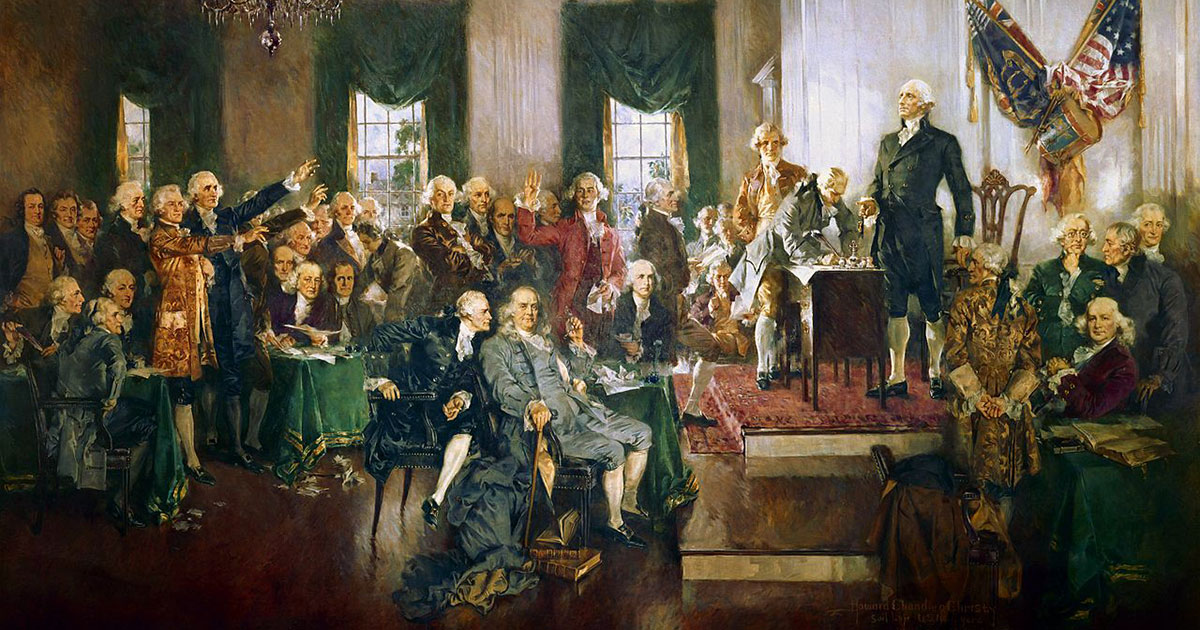
1700s: Voting generally limited to white property holders
Despite their belief in the virtues of democracy, the founders of the United States accepted and endorsed severe limits on voting. The U.S. Constitution originally left it to states to determine who is qualified to vote in elections. For decades, state legislatures generally restricted voting to white males who owned property. Some states also employed religious tests to ensure that only Christian men could vote.
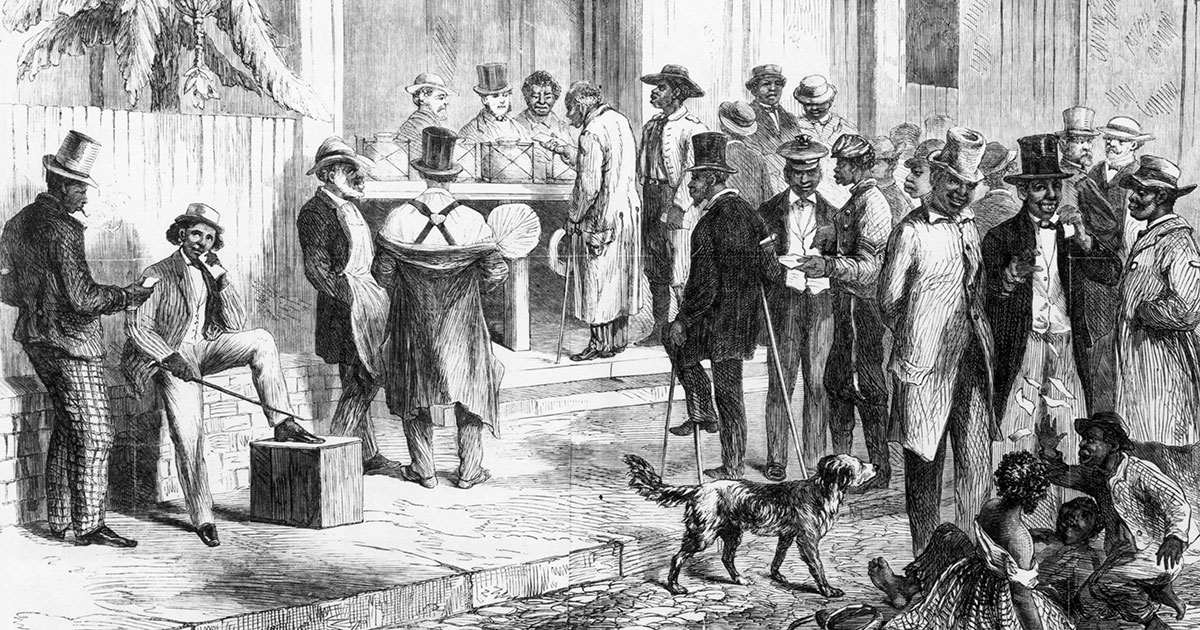
1800s: Official barriers to voting start to recede
During the early part of the 19th century, state legislatures begin to limit the property requirement for voting. Later, during the Reconstruction period following the Civil War, Congress passed the Fifteenth Amendment to the Constitution, which declared that people could not be denied the right to vote because of their race. The amendment was ratified by the states in 1870. However, in the decades that followed, many states, particularly in the South, used a range of barriers, such as poll taxes and literacy tests, to deliberately reduce voting among African American and Native American men, immigrants, and other groups.
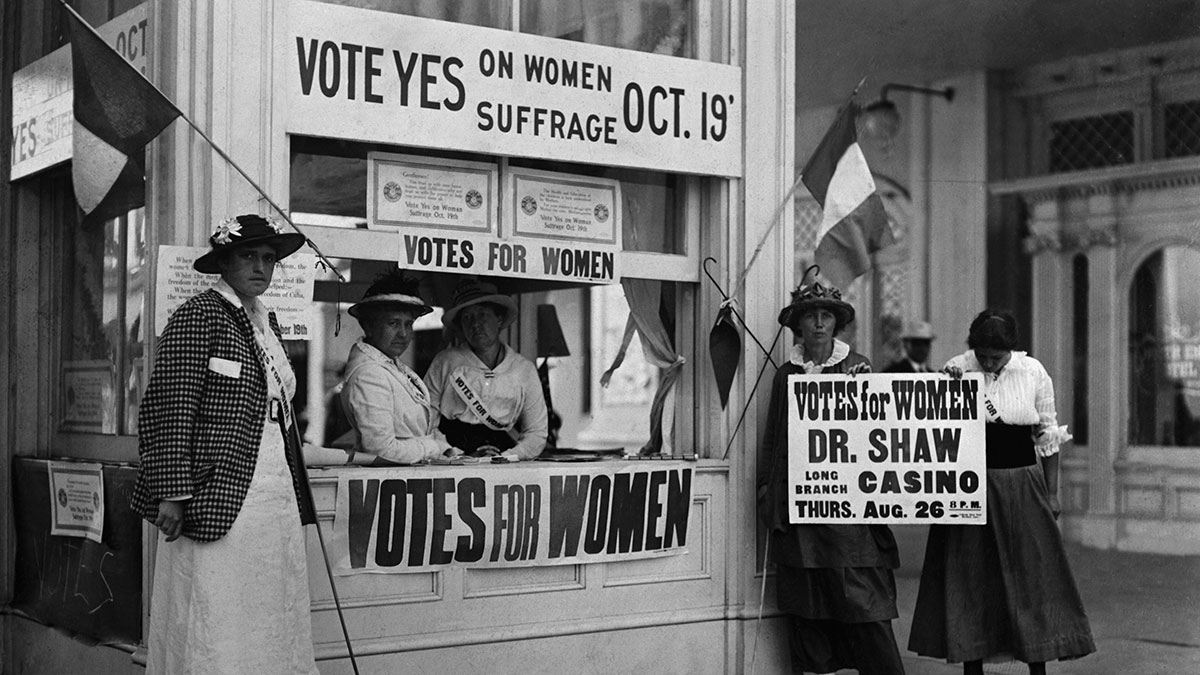
1920: Women win the vote
Early in the 20th century, women still were only able to vote in a handful of states. After decades of organizing and activism, women nationwide won the right to vote with the ratification of the 19th Amendment to the U.S. Constitution in 1920.
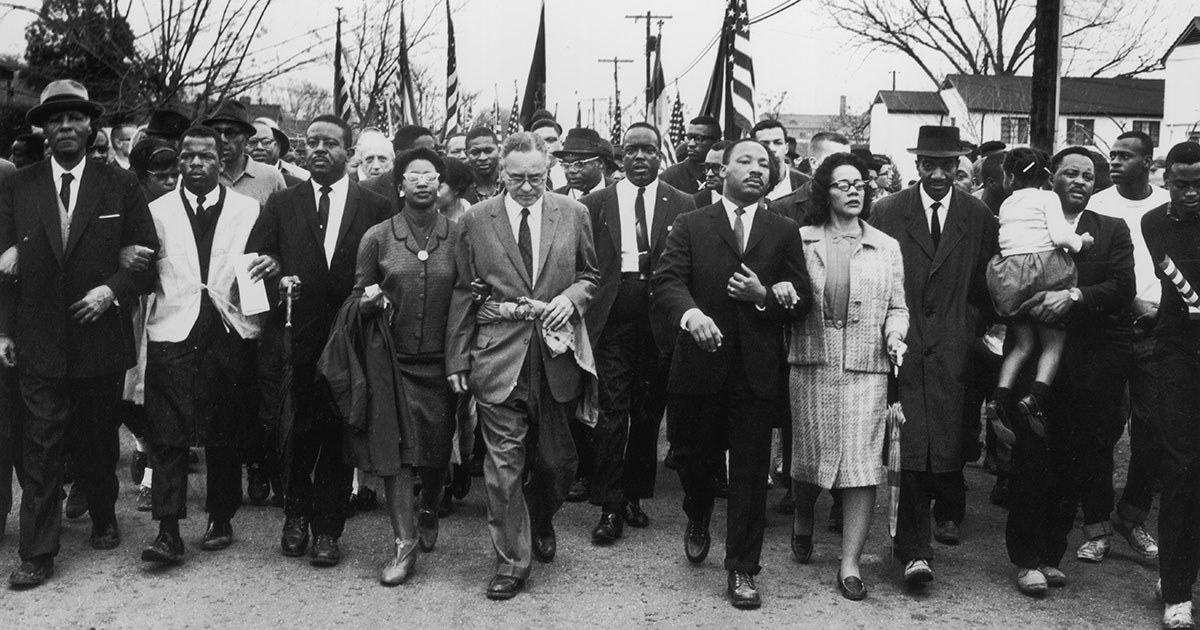
1960: Southern states ramp up barriers to voting
The struggle for equal voting rights came to a head in the 1960s as many states, particularly in the South, dug in on policies—such as literacy tests, poll taxes, English-language requirements, and more—aimed at suppressing the vote among people of color, new citizens, and low-income populations. In March 1965, activists organized protest marches from Selma, Alabama, to the state capital of Montgomery to spotlight the issue of Black voting rights. The first march was attacked by police and others on a day that came to be known as “Bloody Sunday.” After a second march was cut short, a throng of thousands finally made the journey, arriving in Montgomery on March 24 and drawing nationwide attention to the issue.
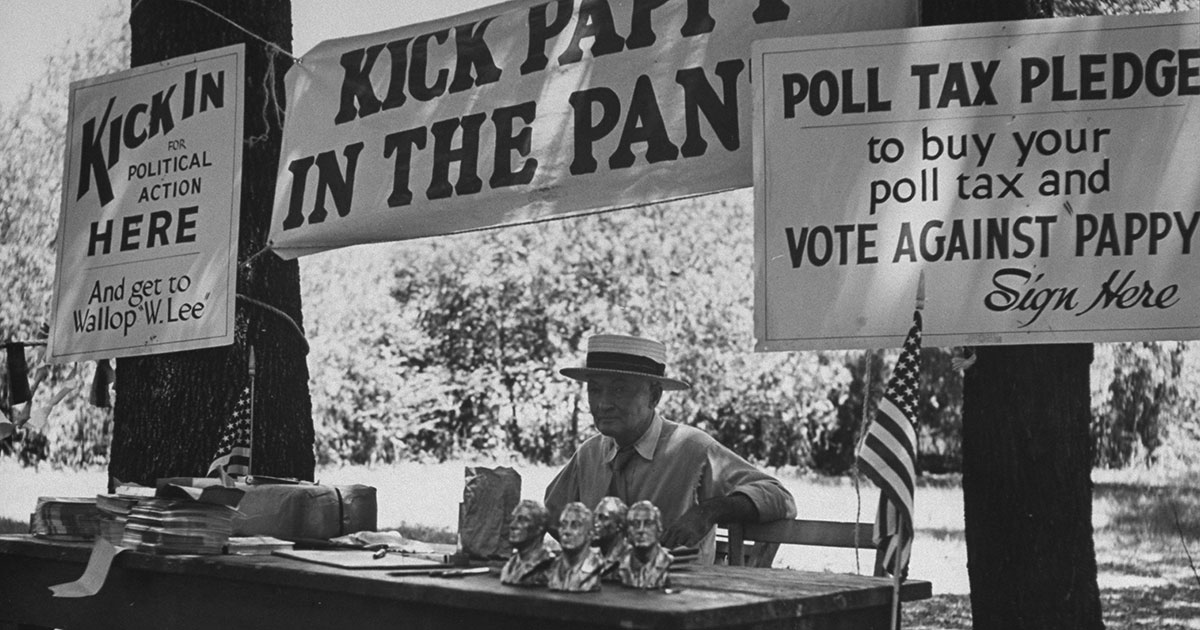
1964: The 24th amendment targets poll taxes
Poll taxes — which forced voters to pay to vote — were a form of voter suppression introduced following the Civil War to keep people of color and low-income white people from voting. Some states also enacted “grandfather clauses” to allow white men to vote without paying the tax. Poll taxes remained in some states until the 24th amendment, ratified in 1964, prohibited the taxes in federal elections, followed by a 1966 Supreme Court ruling that banned poll taxes for state and local elections.
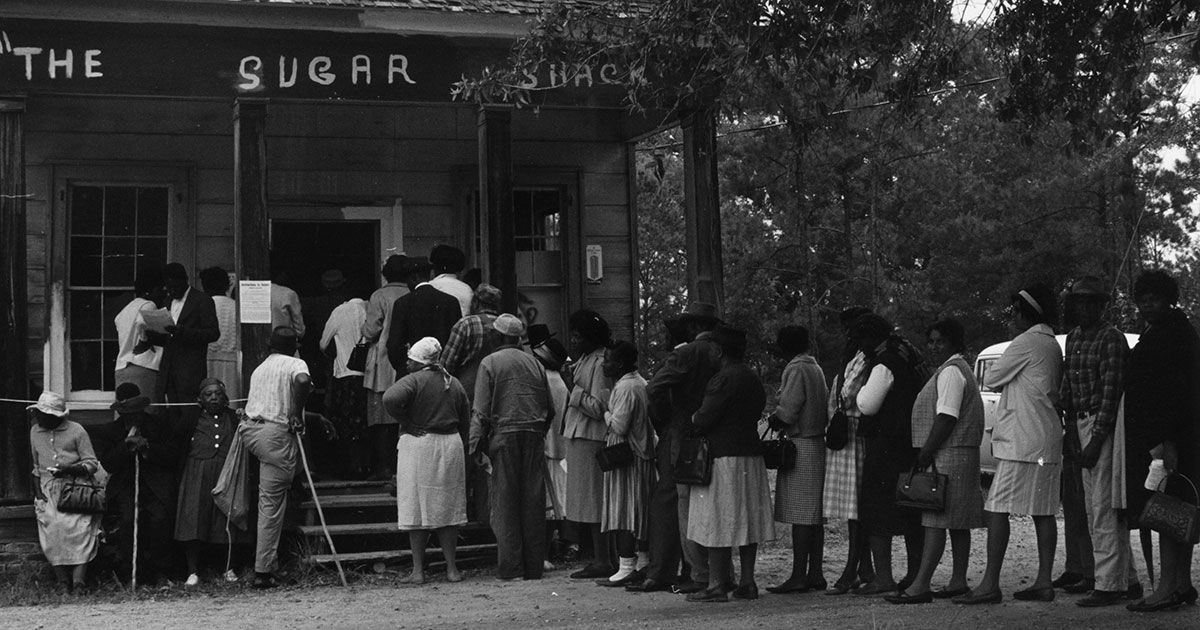
1965: The Voting Rights Act passes Congress
Inspired by voting rights marches in Alabama in the spring of 1965, Congress passed the Voting Rights Act. The vote was decisive and bipartisan: 79-18 in the Senate and 328-74 in the House. President Lyndon Johnson signed the measure on August 6 with Dr. Martin Luther King, Jr., Rosa Parks, and other icons of the civil rights movement at his side. In addition to barring many of the policies and practices that states had been using to limit voting among African Americans and other targeted groups, the Voting Rights Act included provisions that required states and local jurisdictions with a historical pattern of suppressing voting rights based on race to submit changes in their election laws to the U.S. Justice Department for approval (or “preclearance”).
In the ensuing decades, the preclearance provisions proved an effective means of discouraging state and local officials from erecting new barriers to voting, stopping discriminatory policies, and providing communities and civil rights advocates with advance notice of proposed changes that might suppress the vote. (The 2013 Supreme Court decision, Shelby v. Holder, would later curtail this.)
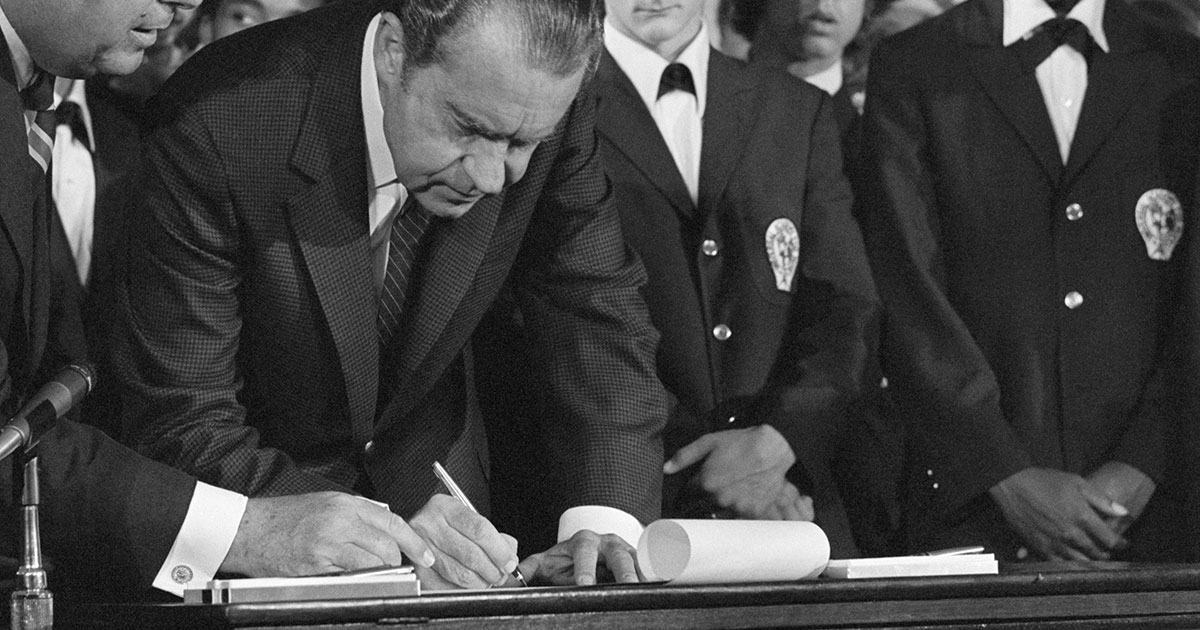
1971: Young people win the vote
For much of the nation’s history, states generally restricted voting to people aged 21 and older. During the 1960s, the movement to lower the voting age gained steam with the rise of student activism and the war in Vietnam, which was fought largely by young, 18-and-over draftees. In 1971, the 26th Amendment was ratified, prohibiting states and the federal government from using age as a reason to deny the vote to anyone 18 years of age and over.
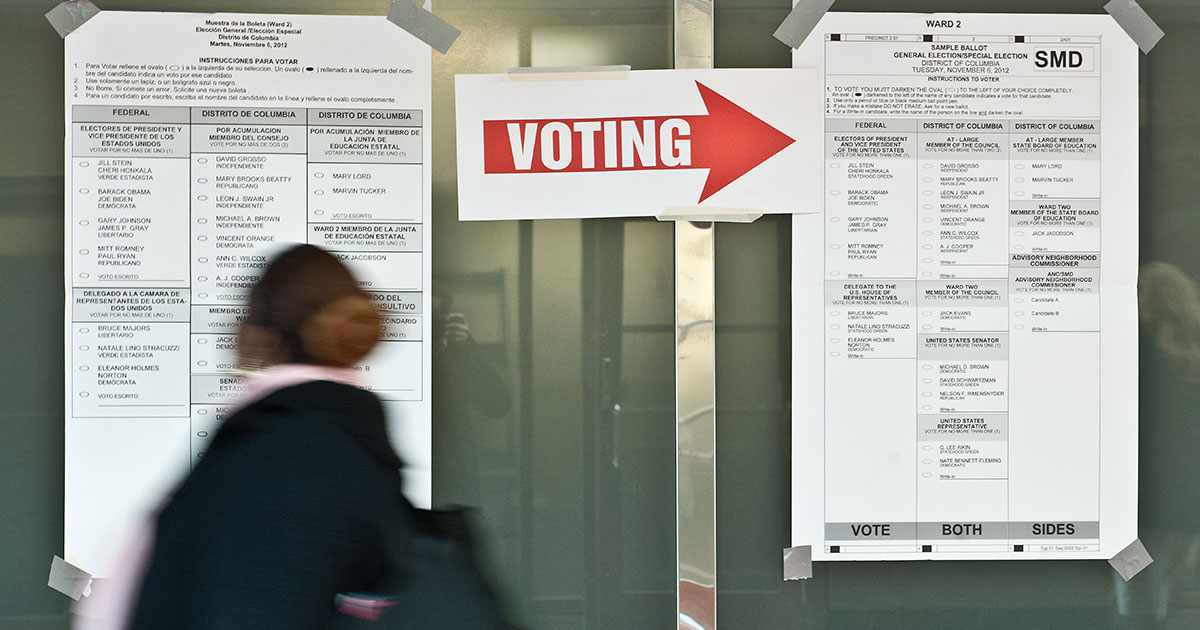
1975: Voting Rights Act expanded to protect language minorities
Congress added new provisions to the Voting Rights Act to protect members of language minority groups. The amendments required jurisdictions with significant numbers of voters who have limited or no proficiency in English to provide voting materials in other languages and to provide multilingual assistance at the polls.
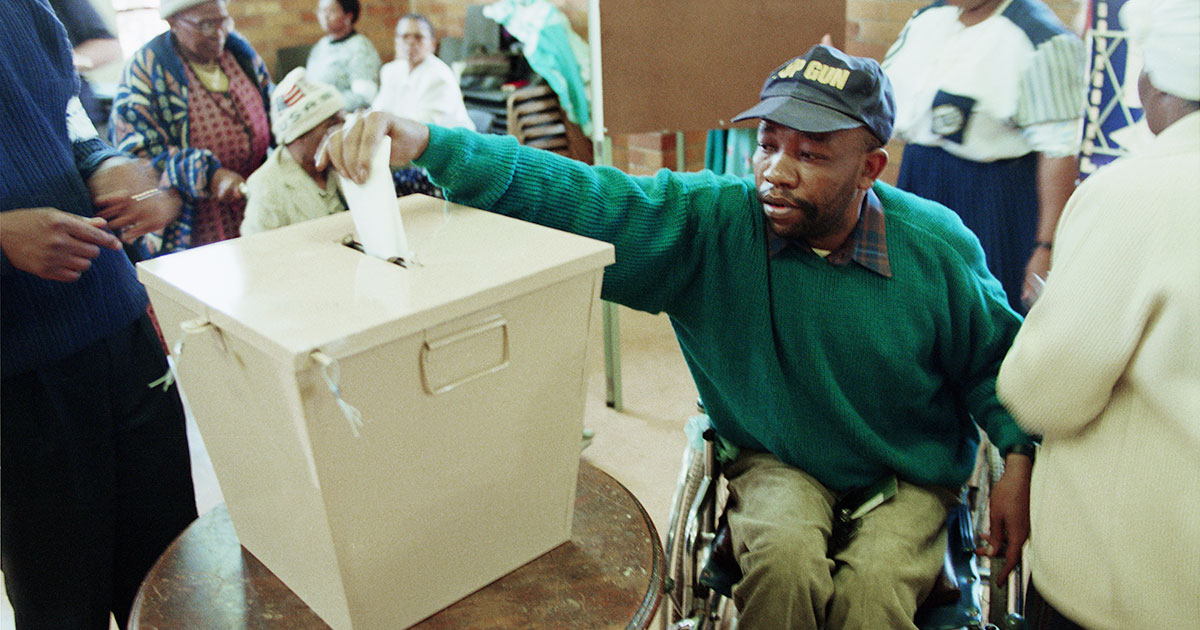
1982: Congress requires new voting protections for people with disabilities
Congress passed a law extending the Voting Rights Act for another 25 years. As part of the extension, Congress required states to take steps to make voting more accessible for the elderly and people with disabilities.
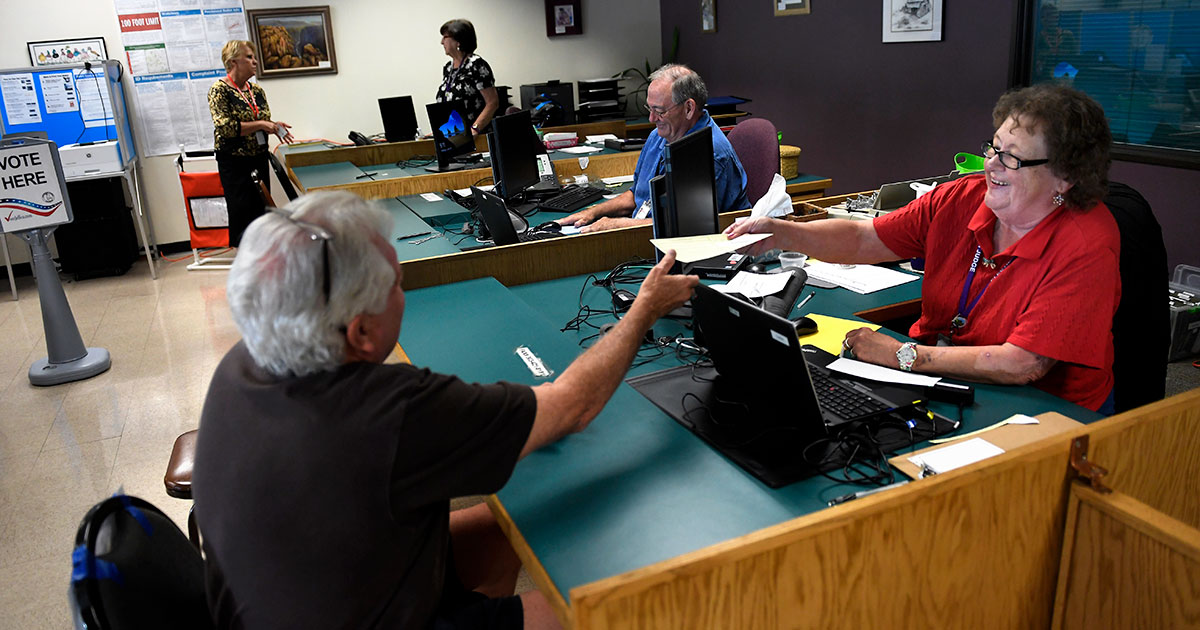
1993: “Motor Voter” becomes law
Responding to historically low rates of voter registration, Congress passed the National Voter Registration Act. Also known as “motor voter,” the law required states to allow citizens to register to vote when they applied for their driver’s licenses. The law also required states to offer mail-in registration and to allow people to register to vote at offices offering public assistance. In the first year of its implementation, more than 30 million people completed their voter registration applications or updated their registration through means made available because of the law.
However, NVRA’s implementation has been inconsistent; compliance with the law continues to be litigated at the state level.
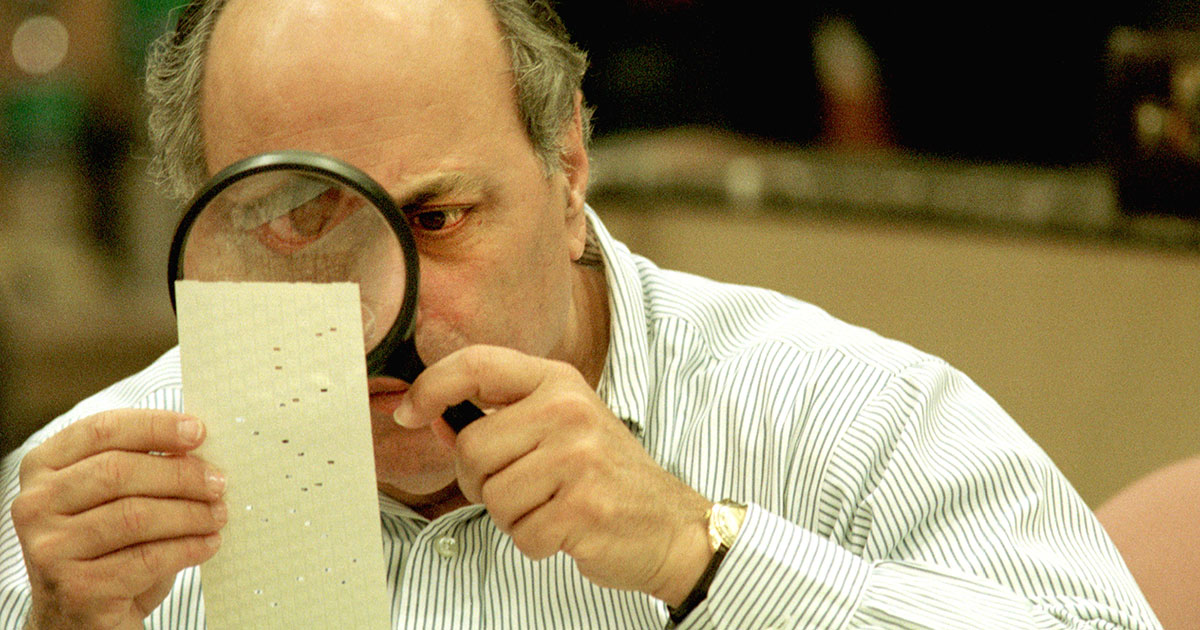
2000: Election problems spotlight need for reform
The close Bush-Gore presidential race led to a recount in the state of Florida that highlighted many of the problems affecting U.S. elections, from faulty equipment and confusing ballot design to inconsistent rules and procedures across local jurisdictions and states. The U.S. Supreme Court ultimately intervened to stop the Florida recount, awarding the state’s electoral votes to George W. Bush by a margin of just 537 votes, winning him the presidency.
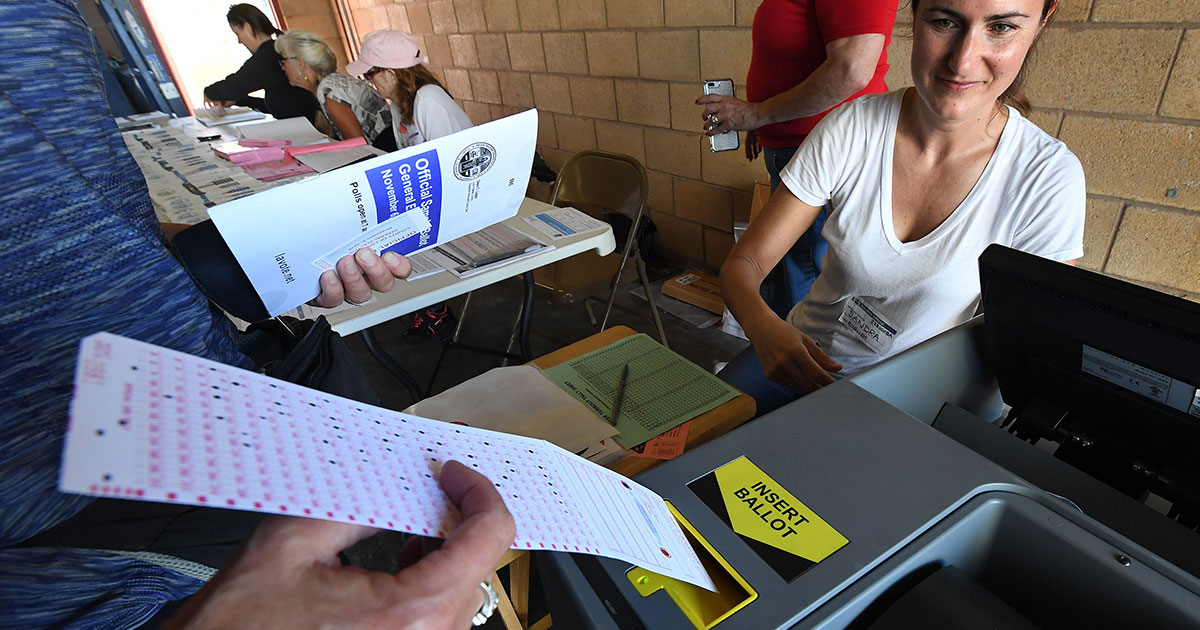
2002: Congress passes the Help America Vote Act
In the aftermath of the 2000 election controversy, Congress passed the Help America Vote Act in 2002 with the goal of streamlining election procedures across the nation. The law placed new mandates on states and localities to replace outdated voting equipment, create statewide voter registration lists, and provide provisional ballots to ensure that eligible voters are not turned away if their names are not on the roll of registered voters. The law also was designed to make it easier for people with disabilities to cast private, independent ballots.
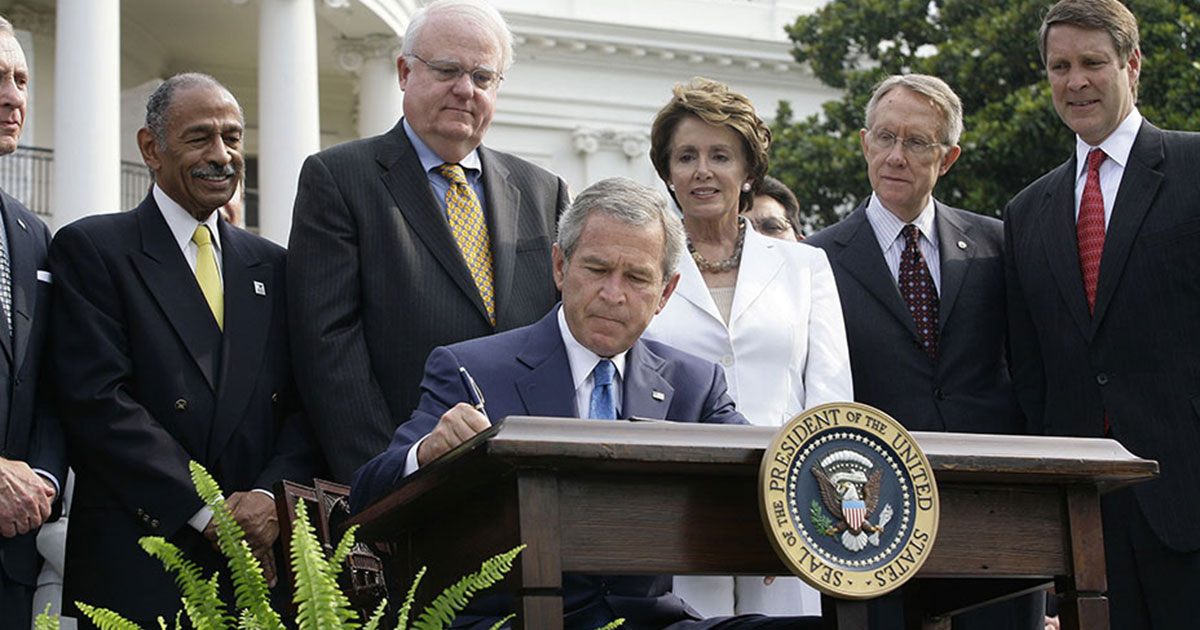
2006: Reauthorization of the Voting Rights Act
In 2006, Congress approved the reauthorization of the Voting Rights Act. With the House and Senate under Republican control, members of both parties agreed on the need to extend the bill’s protections for Americans’ fundamental voting rights for another 25 years. After an overwhelming vote of support in the House of Representatives and a unanimous 98-0 vote in the Senate, the reauthorization measure was signed by President George W. Bush.
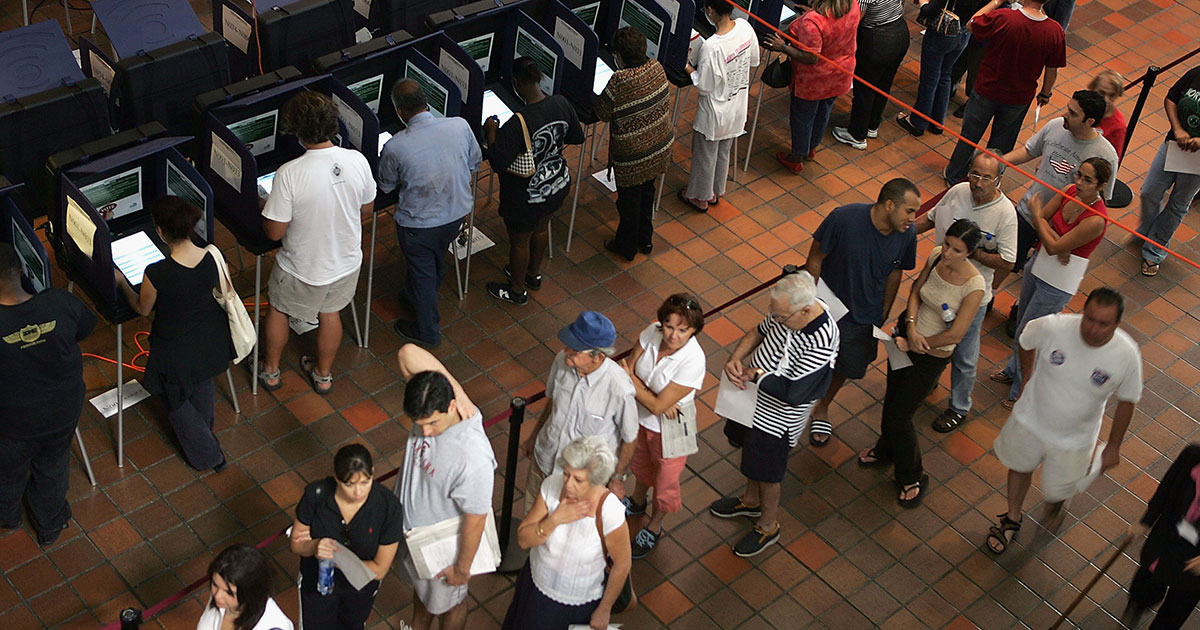
2010: Philanthropy embraces need for reform
Along with a core group of other funders, Carnegie Corporation of New York began investing in voting rights in the United States in the 1970s and 1980s. In 2010, funders stepped up their support with the State Infrastructure Fund (SIF), a collaborative fund administered by NEO Philanthropy to invest in advancing voting rights and expanding voting among historically underrepresented communities. Since its creation, the fund has raised more nearly $200 million from an expanding list of funders.
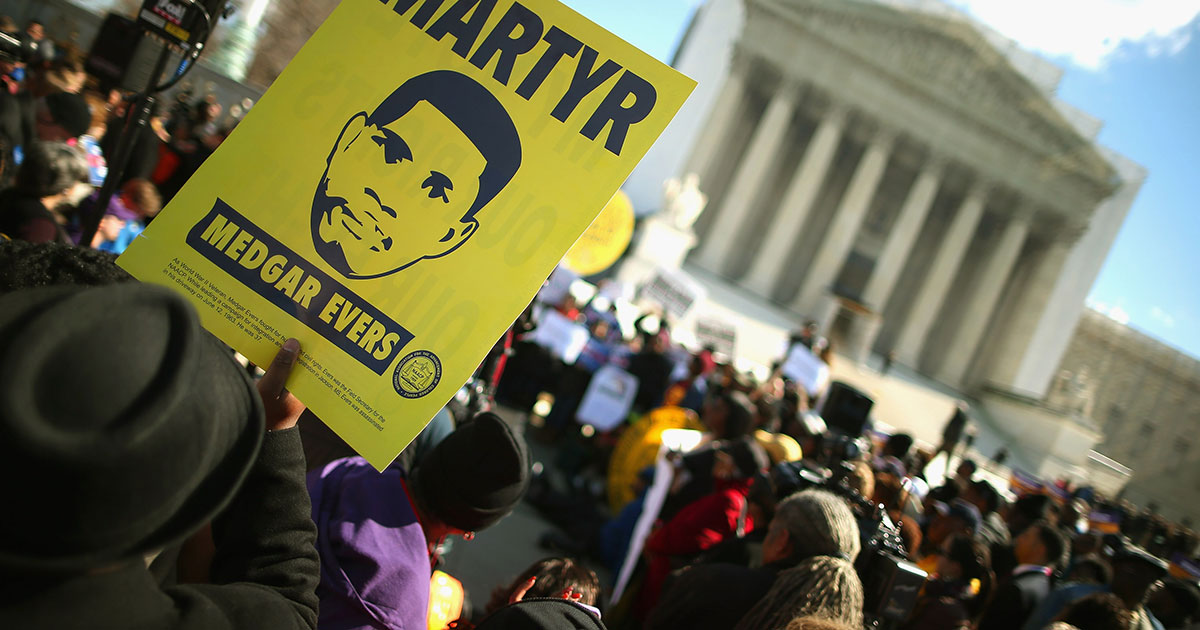
2013: The Supreme Court strikes a blow to the Voting Rights Act of 1965
In its 5-4 decision in Shelby County v. Holder, the U.S. Supreme Court effectively gutted the landmark 1965 Voting Rights Act, ruling that states and localities with a history of suppressing voting rights no longer were required to submit changes in their election laws to the U.S. Justice Department for review (or “preclearance”). In her dissent in the case, Justice Ruth Bader Ginsberg famously stated, “Throwing out preclearance when it has worked and is continuing to work to stop discriminatory changes is like throwing away your umbrella in a rainstorm because you are not getting wet.
Immediately after the Shelby ruling, states including Texas, Mississippi, Alabama, and Virginia moved to enact voter identification requirements that had previously been blocked by the Voting Rights Act due to their discriminatory impacts. In August 2013, North Carolina enacted a new voter identification law, which was later struck down by a federal judge who said it targeted African Americans with “almost surgical precision.” A subsequent version of the law went into effect in 2023.
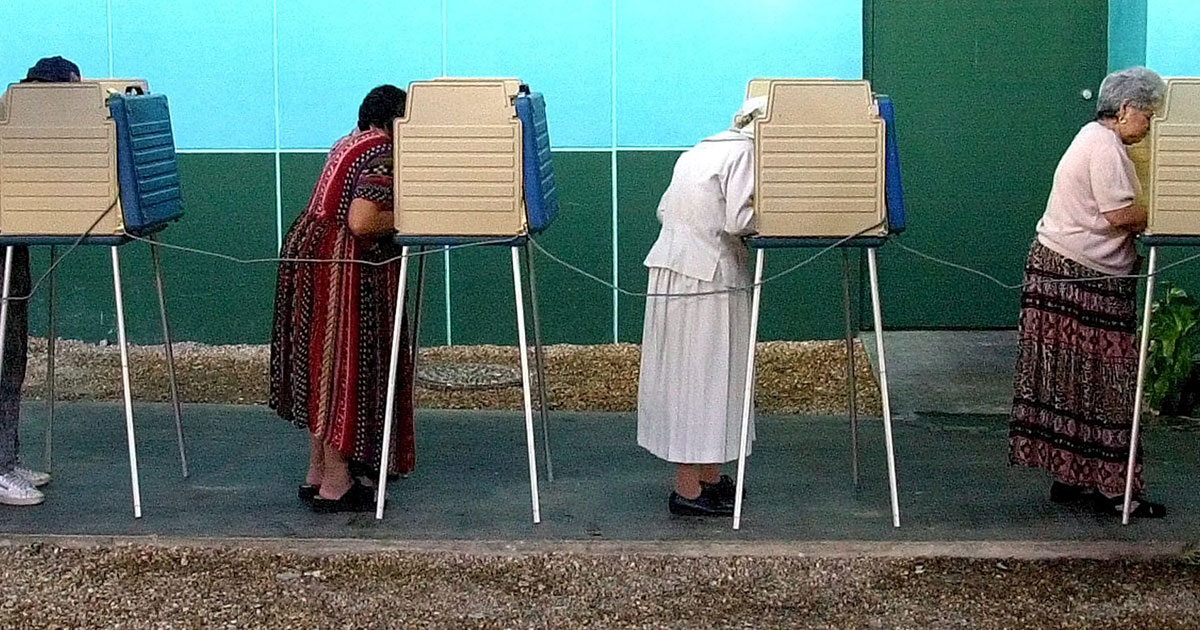
2014: The voting rights movement coalesces to fight suppression
In the aftermath of Shelby, voting rights organizations across the country stepped up their work to challenge barriers to voting, advance pro-voter policies, and reach out to historically underrepresented voters. The State Infrastructure Fund launched the Voting Rights Working Group, a cohort of 11 legal nonprofits using litigation to protect the voting rights of underrepresented populations. Since launching, the group has been involved in more than 126 voting rights cases.
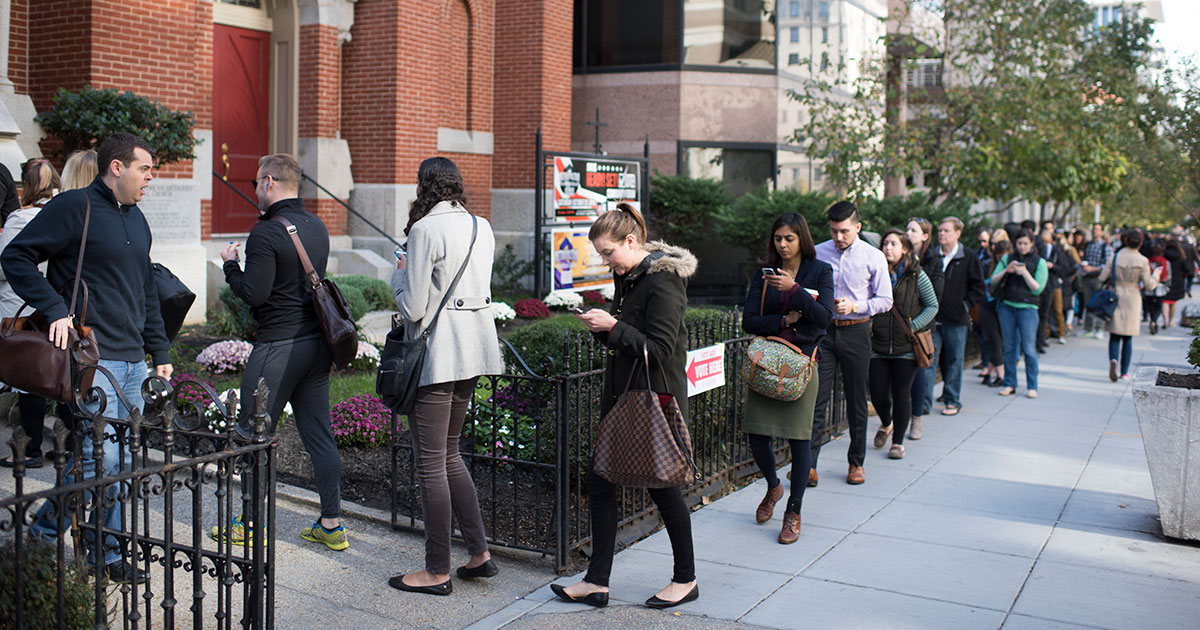
2018: A record turnout despite efforts to restrict voting
According to the nonpartisan Election Protection coalition, overseen by the Lawyers’ Committee for Civil Rights Under Law, 23 states created new obstacles to voting in the decade preceding the 2018 election. A 2018 USA Today analysis found that election officials had recently closed thousands of polling places, with a disproportionate impact on communities of color.
Despite barriers to voting, the 2018 election saw the highest turnout in a midterm election since 1914. The election also saw record numbers of women and candidates of color running at all levels. In addition, voters approved a number of important state ballot measures aimed at expanding the electorate and making it easier to vote, including a law in Florida that lifts the permanent ban on voting for people with a felony criminal record.
2020: Philanthropy works to support accurate census count
In 2015, five years ahead of the census, Carnegie Corporation of New York joined a campaign of grantmakers and nonprofits to ensure a full, fair, and accurate count in 2020, recognizing its importance for political representation and the equitable allocation of public resources. The initiative raised and distributed $85 million from philanthropic institutions and leveraged another $350 million from government.
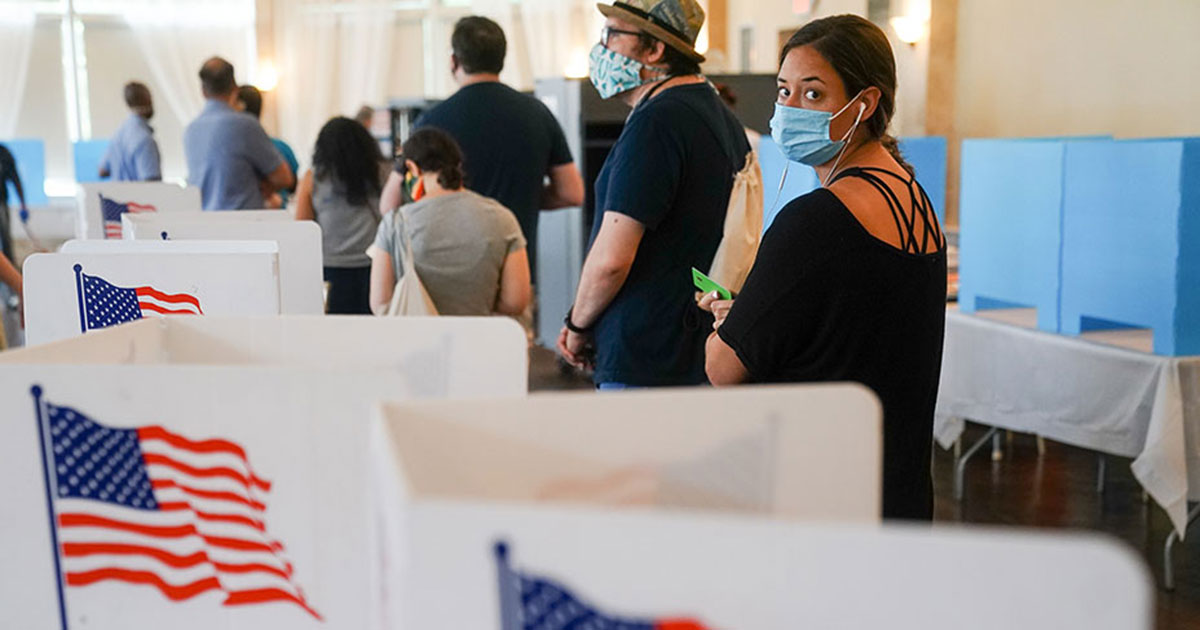
2020: Voters show up in record numbers despite COVID pandemic
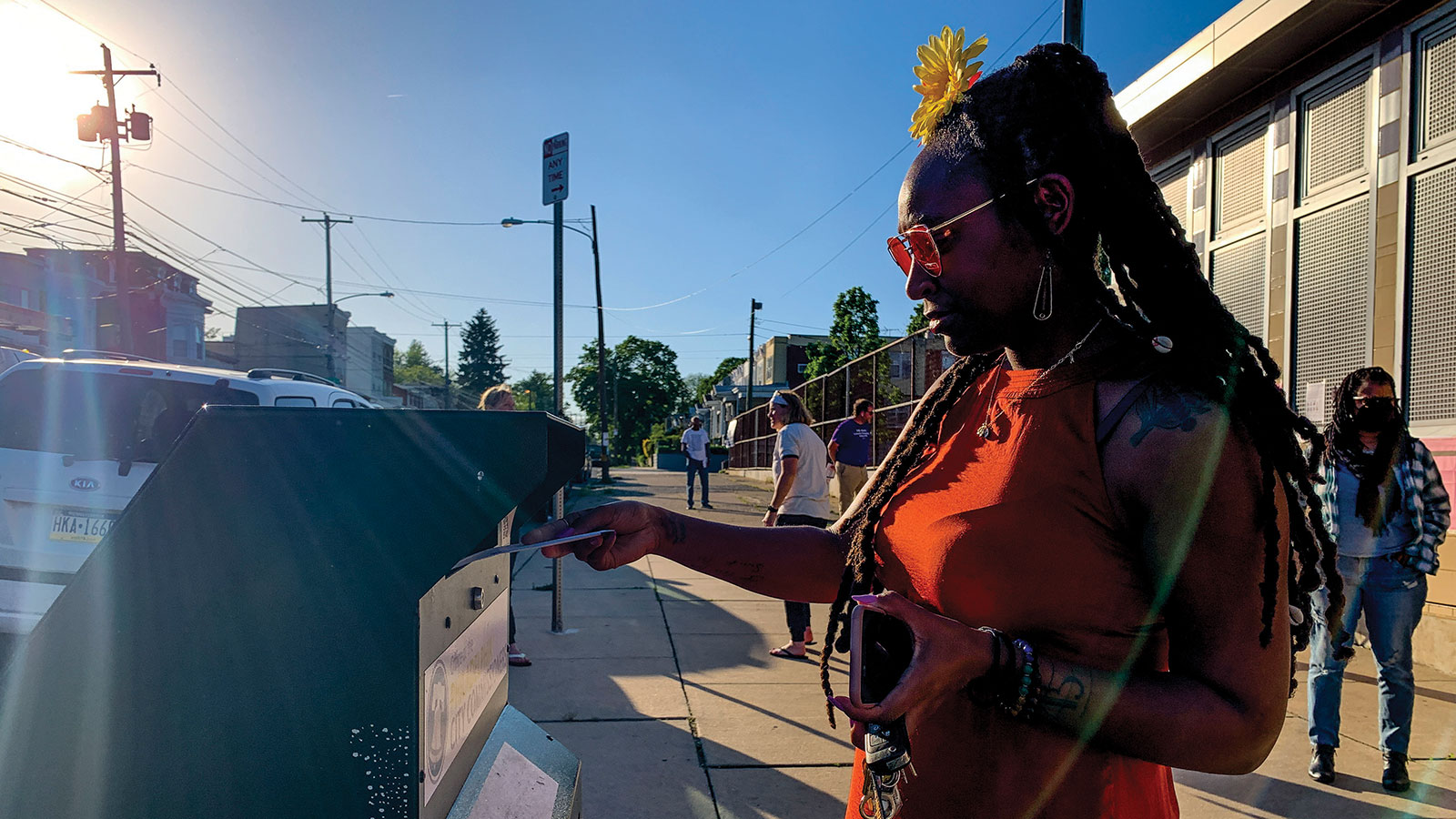
Amid the COVID-19 pandemic, states took unprecedented action to make it easier and safer to vote in the November election via mail-in ballots, drop boxes, expanded early voting, and other strategies. Nonpartisan voter engagement groups joined with businesses, local elections officials, and community organizations across the country to ensure that people were informed about the issues and knew when, where, and how to vote. These efforts contributed to an increase in voter turnout to 66.8 percent: the highest turnout for any national election since 1900.
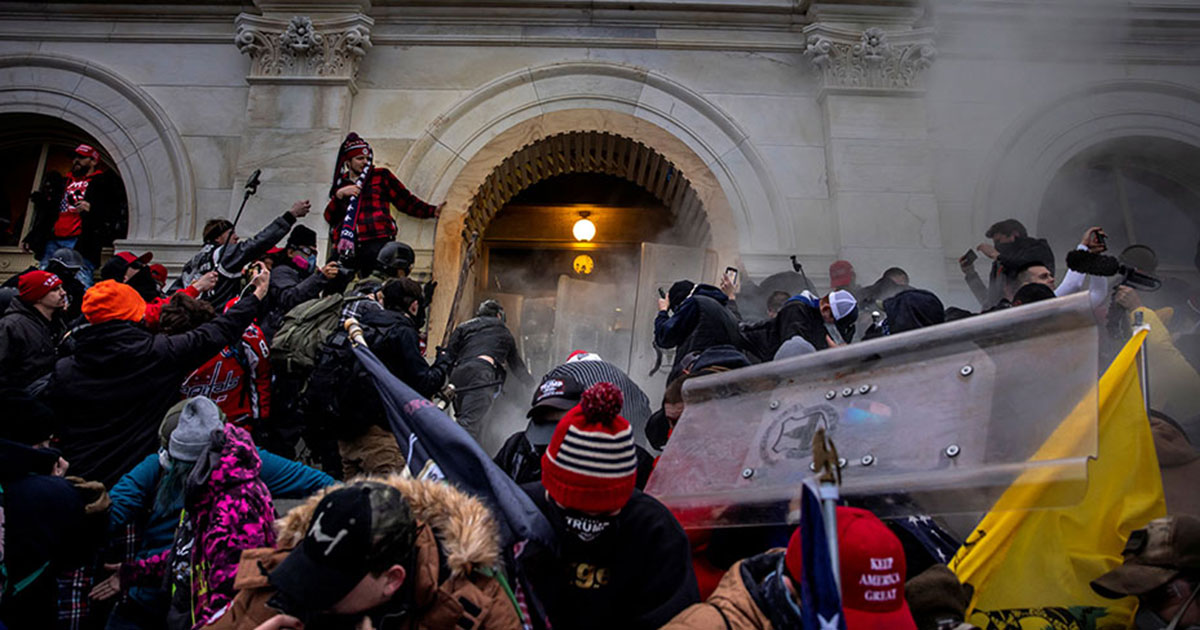
2021: January 6 assault on Capitol shows dangers of disinformation about elections
The January 6, 2021, attack on the U.S. Capitol was sparked by false claims of fraud in the 2020 election. Subsequent investigations, and more than 60 court cases overseen by judges appointed by both Republican and Democratic presidents, found no evidence of widespread voter fraud.
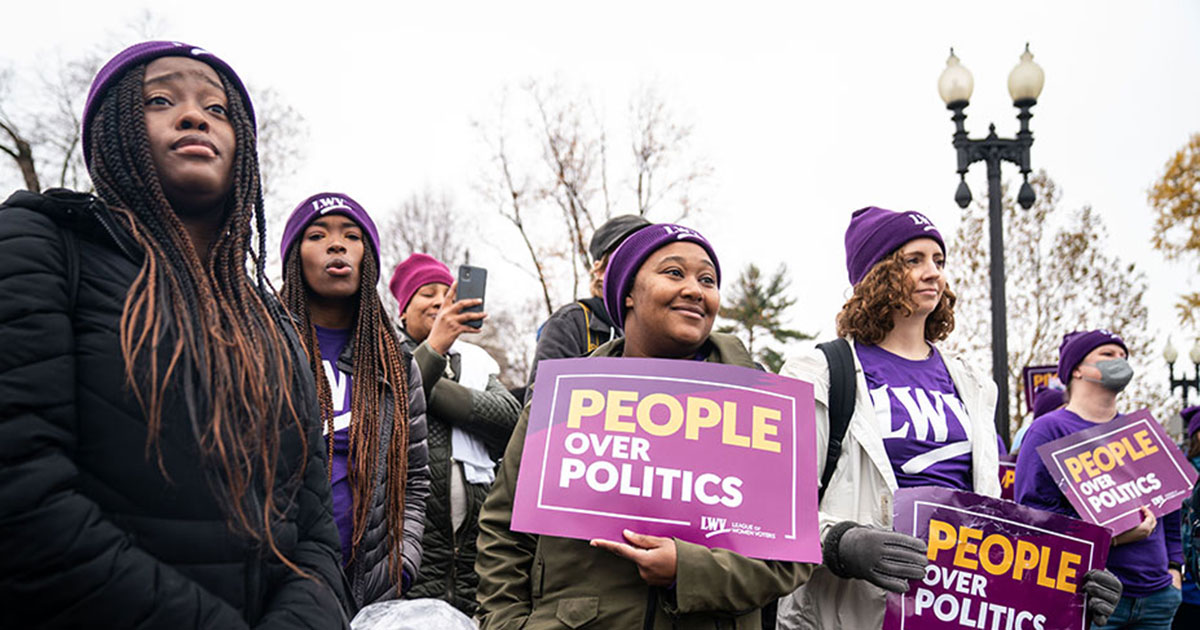
2023: Post-census, battles over redistricting continue
Following the 2020 census, community groups, funders, litigators, and other partners joined in efforts to ensure that redistricting maps would fairly represent their populations.
Among the successful cases: a 2023 U.S. Supreme Court decision ordering Alabama to redraw its congressional map to more accurately represent the state’s Black population. As of March 2025, the Supreme Court is reviewing a similar challenge to Louisiana’s congressional map.
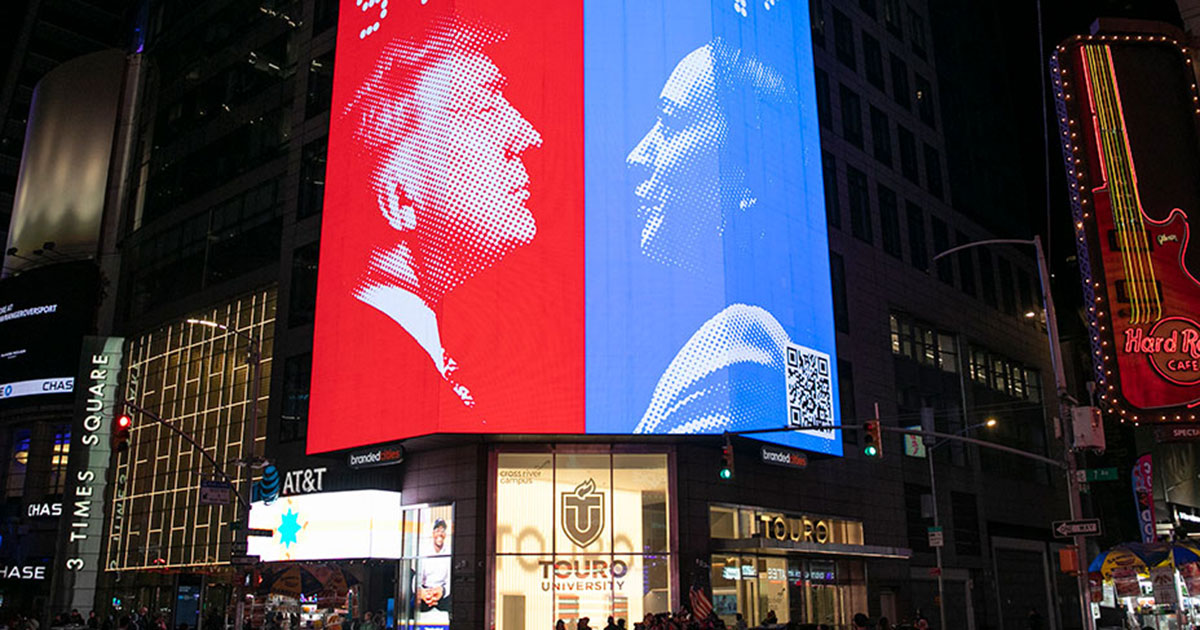
2024: Election conducted smoothly despite polarization
According to a Brennan Center for Justice study, in 2024, at least 10 states enacted restrictive voting laws, and lawmakers in at least 40 states considered more than 300 bills aimed at making it harder to vote. Many of these bills aimed to require voters to provide proof of citizenship, despite a lack of evidence of significant noncitizen voting.
The study also found that at least 21 states enacted expansive voting laws, including expanding absentee voting, increasing opportunities to register, and re-enfranchising people returning from incarceration.
Despite a polarized political environment, the 2024 election was conducted peacefully, with a decrease in fraud claims compared to the 2020 election.