Carnegie Reporter
Carnegie Reporter is the flagship magazine of the Andrew Carnegie Foundation.
Now Is the Time for National Service
Four out of five Americans across party lines support national service. Could it also help reduce political polarization?
Read More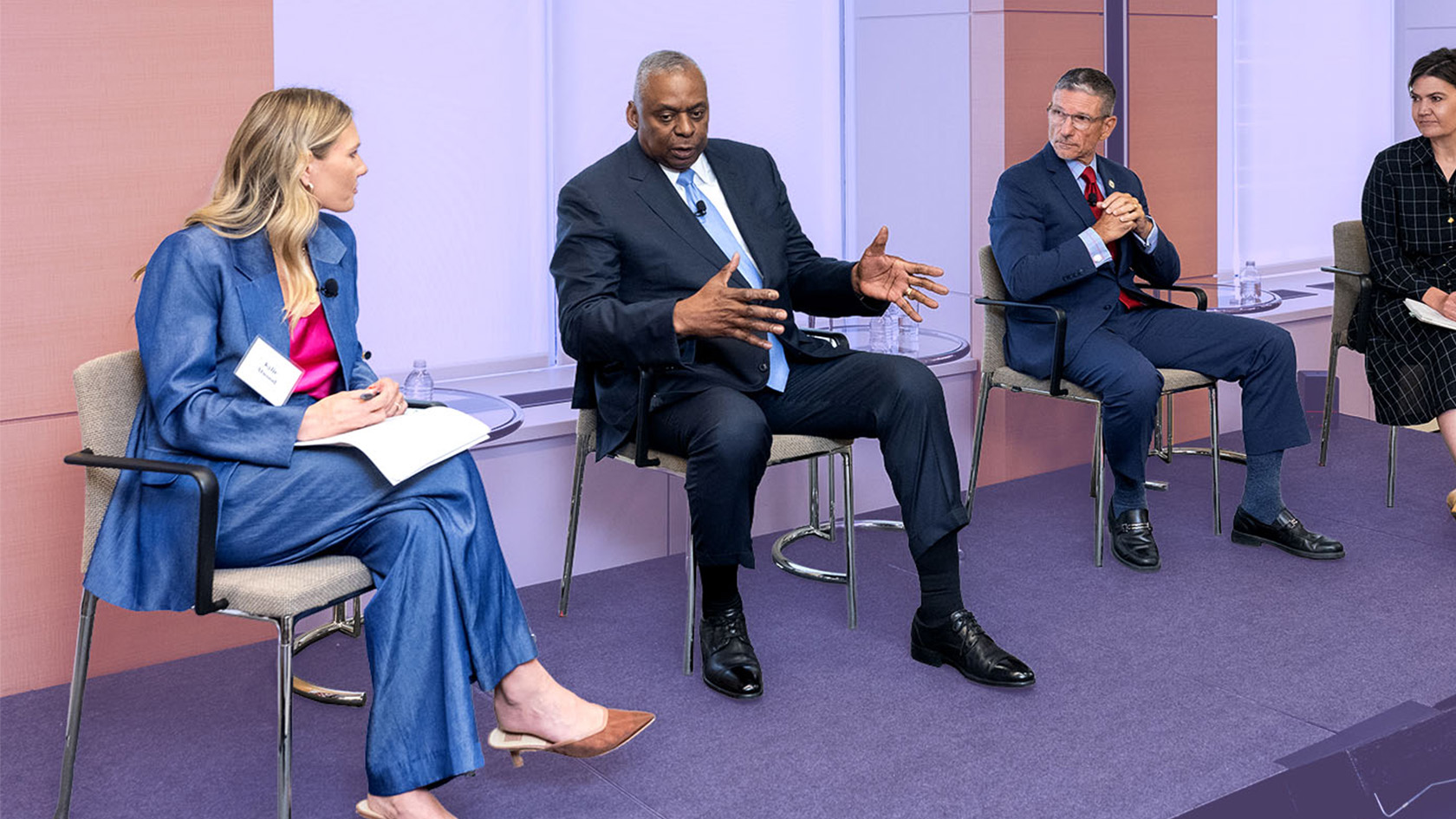

8,000 People, 1.4 Million Acres, and Unemployment as High as 85 Percent
Subscribe
Get Carnegie Reporter stories straight to your inbox.
Ladders of Opportunity
Civics // service // and the American dream
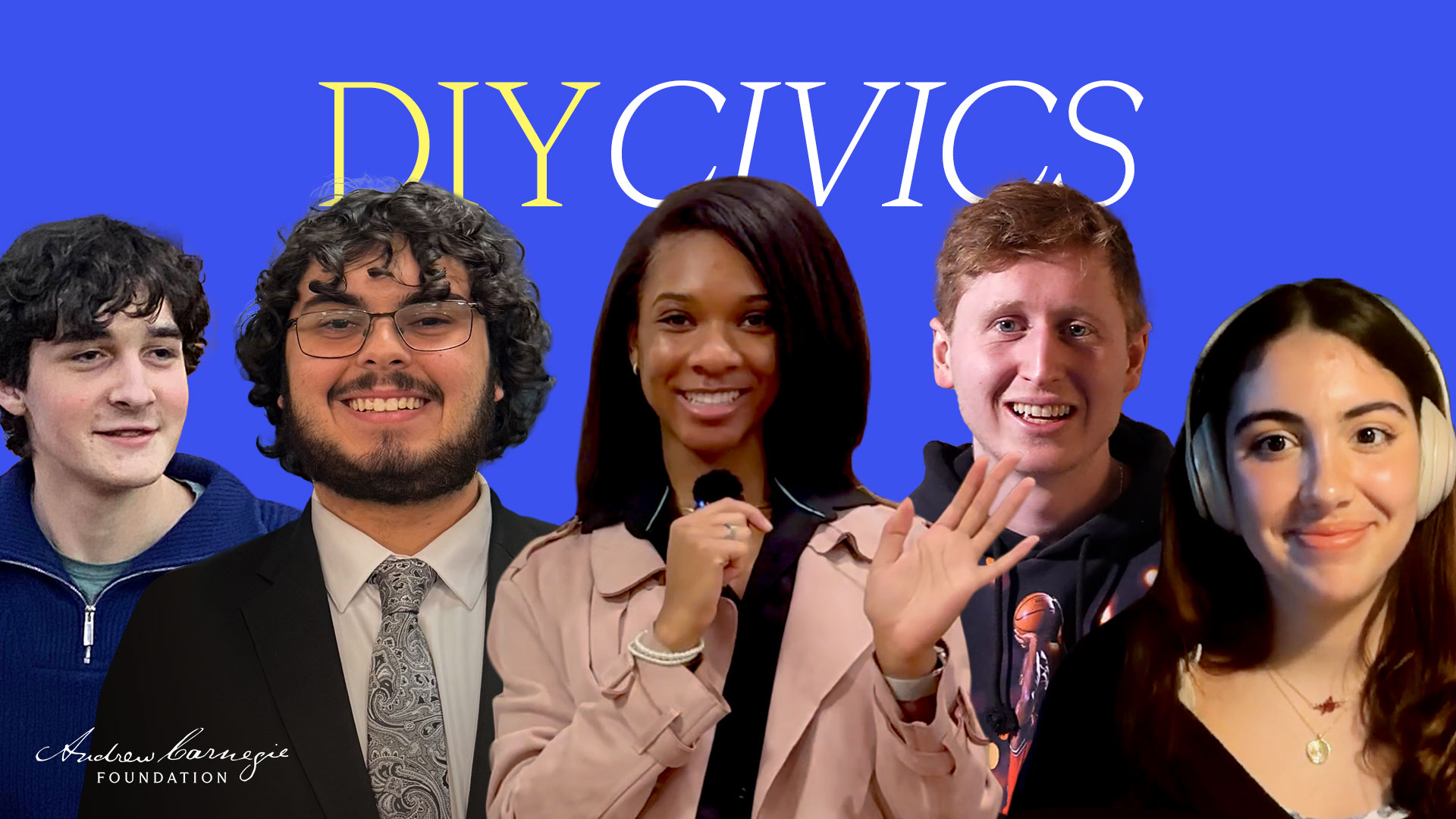
When Imre Huss, a high school student in Cleveland Heights, Ohio, discovered that it was impossible to find local election information in one place, he built Govvy, an online platform that turned scattered candidate and policy information into a simple, four-minute quiz. For Imre, such civic engagement wasn’t new. At the age of eight, he read his city’s municipal code to figure out how to open a lemonade stand.
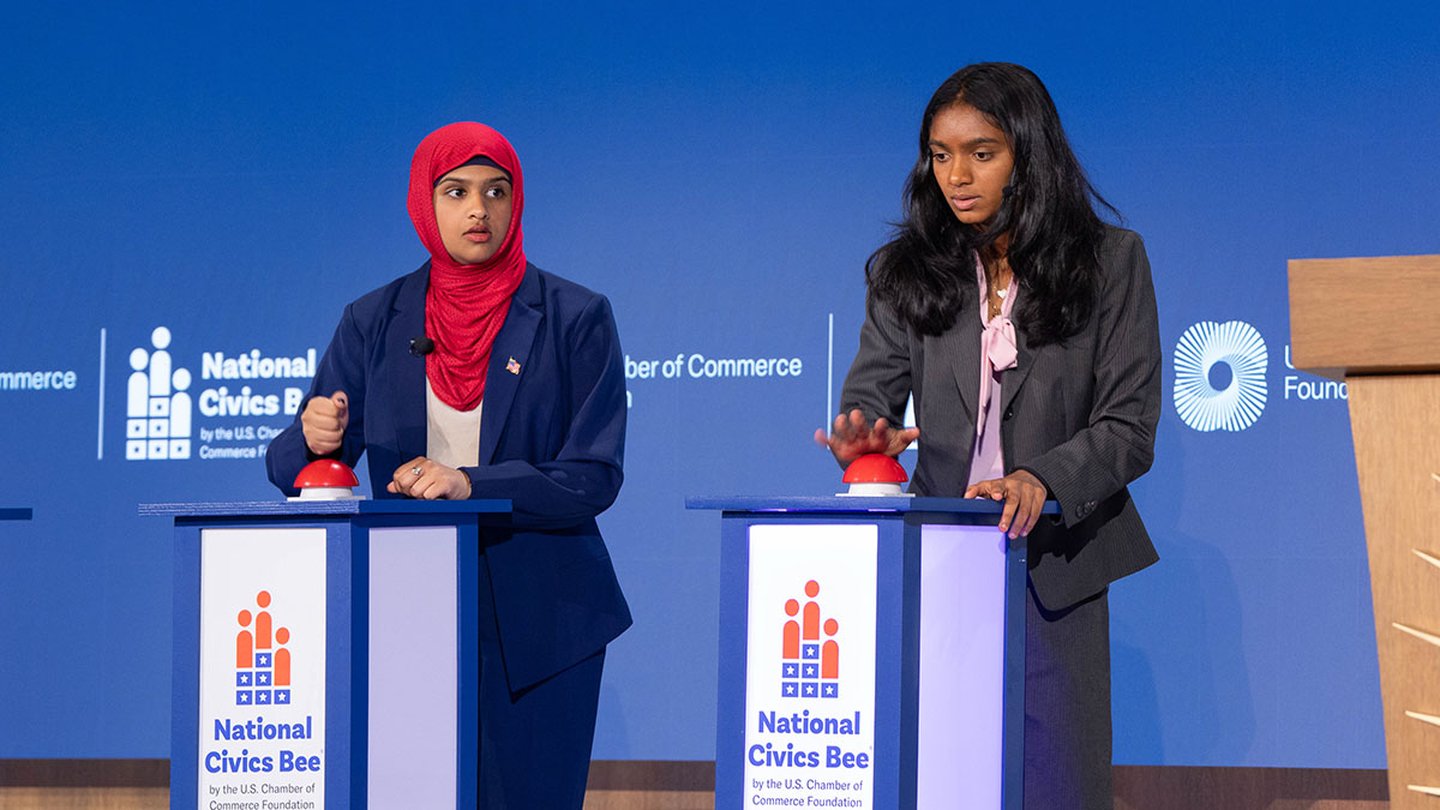
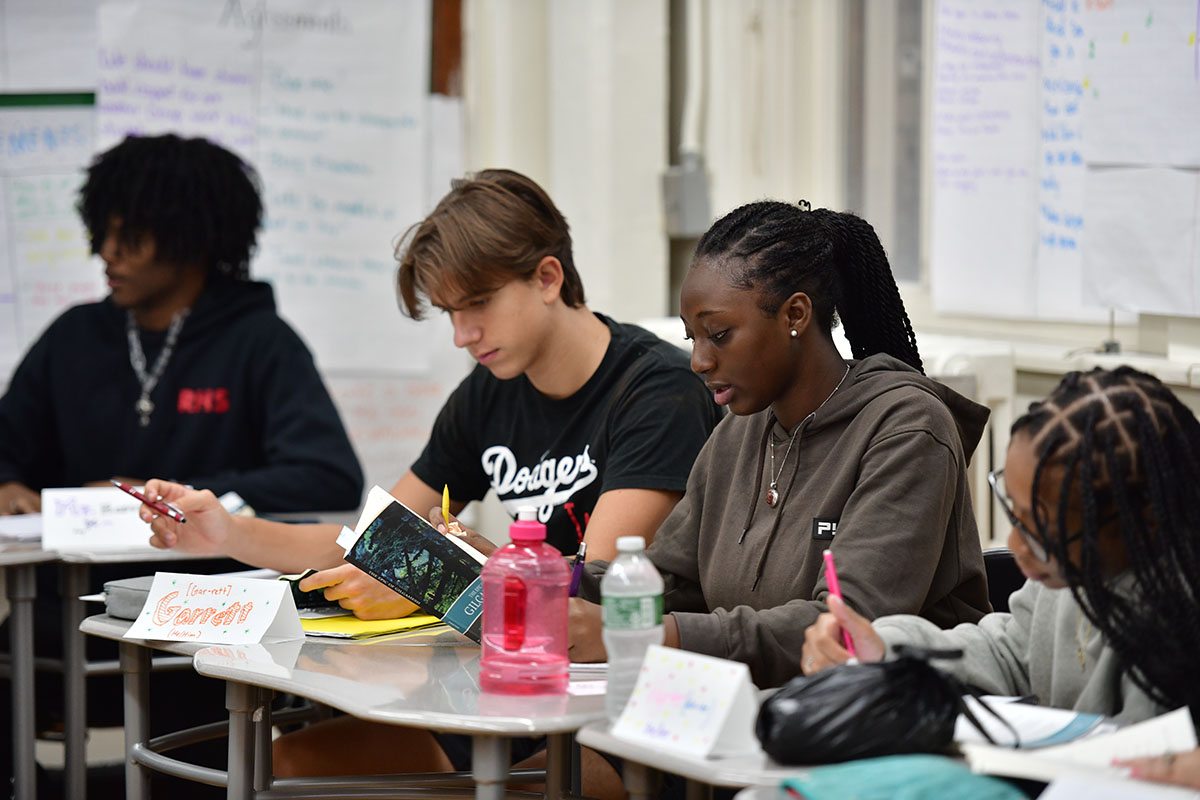
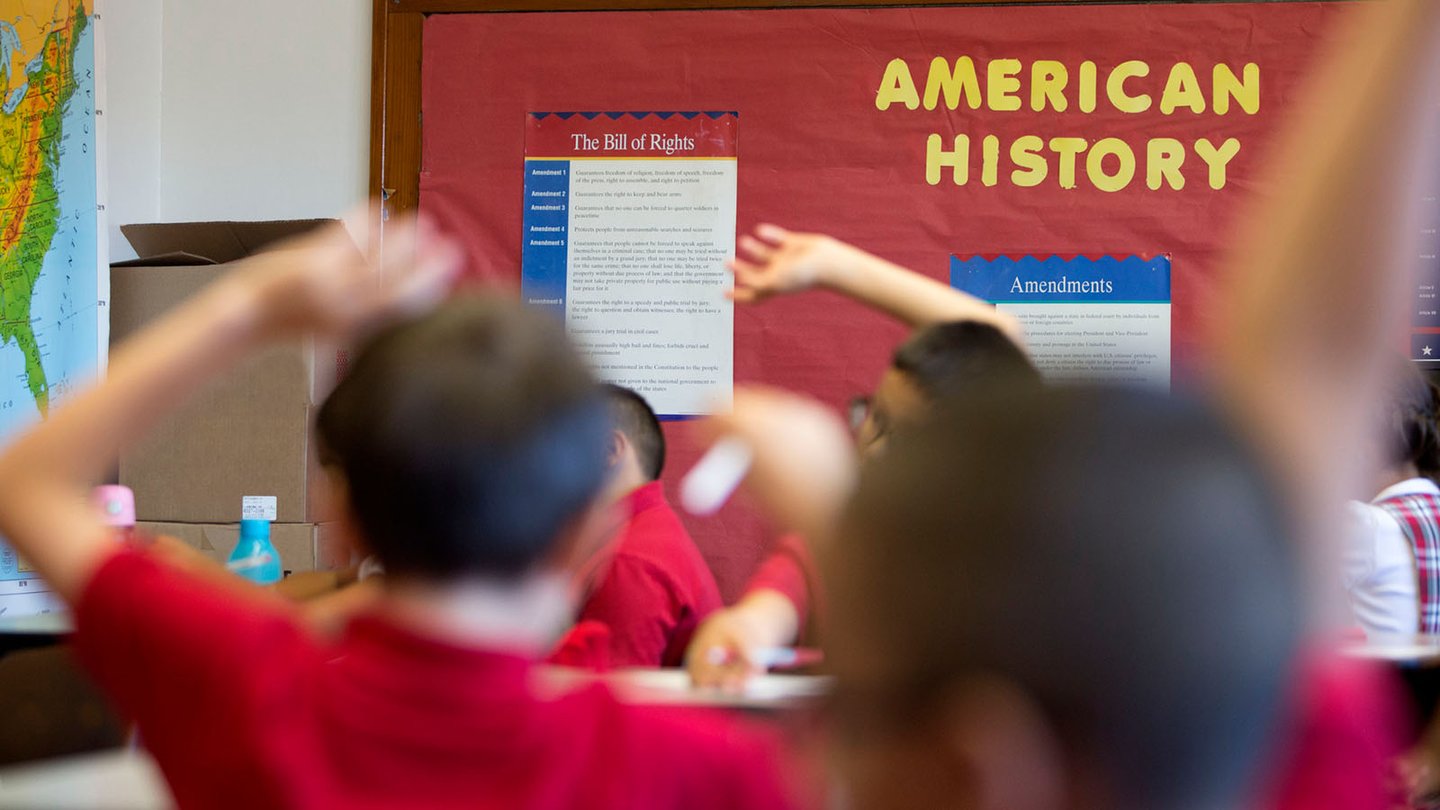
According to a 2024 survey by America’s Promise Alliance, most young people say they discussed civics in school just a few times or not at all during the past year. Carnegie and other organizations are trying to change this. In these stories, we meet Imre and four other young leaders who have improved civic life in their communities, from starting gardens to helping teenagers unplug from social media. We also hear from prominent leaders who tell us why national service has the potential to renew social cohesion in America, and learn about young Americans competing for a $100,000 prize at the National Civics Bee. And we take a closer look at who should have to pass the U.S. citizenship test and efforts to bring it into American classrooms.

A More Peaceful World
Nuclear risks // satellites // and open-source intelligence
In her role as CEO of the Bulletin of the Atomic Scientists, Alexandra Bell manages the Doomsday Clock, an annual chronicle of existential risk. Created in 1947 to monitor the long-term danger of nuclear weapons after World War II, the clock was originally set at seven minutes to midnight — midnight representing catastrophe. In the intervening years, the clock has been set back eight times and forward 19 times.
The farthest from midnight was 17 minutes in 1991, with the collapse of the Soviet Union and the end of the Cold War. The nearest was 85 seconds in 2026, with the breakdown of arms control talks and global leadership.
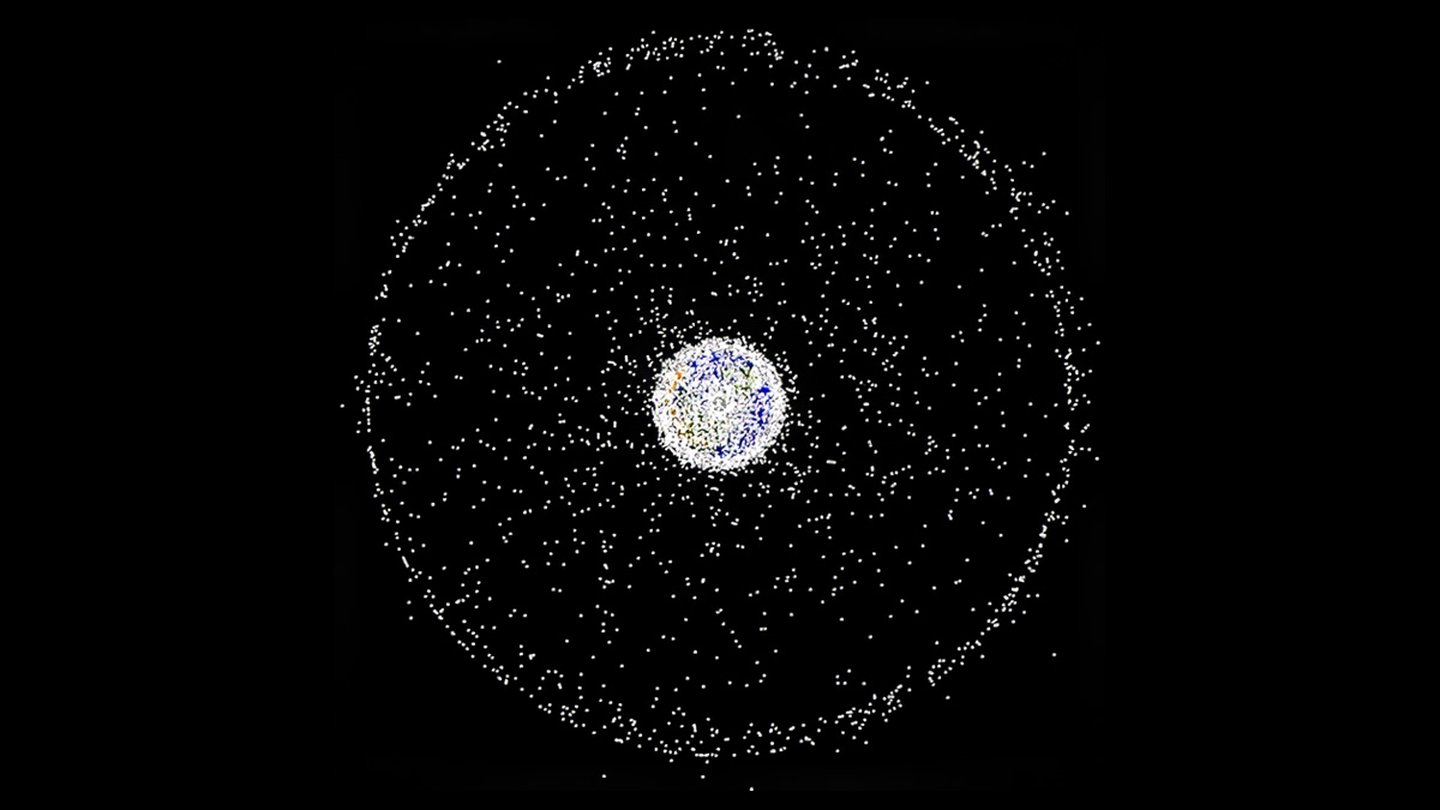
Once a major topic of American discourse, attention paid to nuclear proliferation has frayed — just as treaties have expired and relations between major powers have grown worse. In these stories, we assess the implications of our nuclear age. We also learn about the exponential increase in satellites now entering orbit, and how the risk of close encounters by rivals in space could lead to conflict on Earth. Meantime, we hear from a researcher using open-source satellite imagery to analyze nuclear trends on the ground. As international dynamics move to outer space and artificial intelligence persists as a factor, how will his organization train the next generation of nuclear experts?